- Home
- Network
Our own switch. Our own rules.
You cannot enforce a traffic policy on somebody else’s network. We run the session border controllers, the routing policy and the interconnects ourselves — which is what makes every other promise on this site possible.
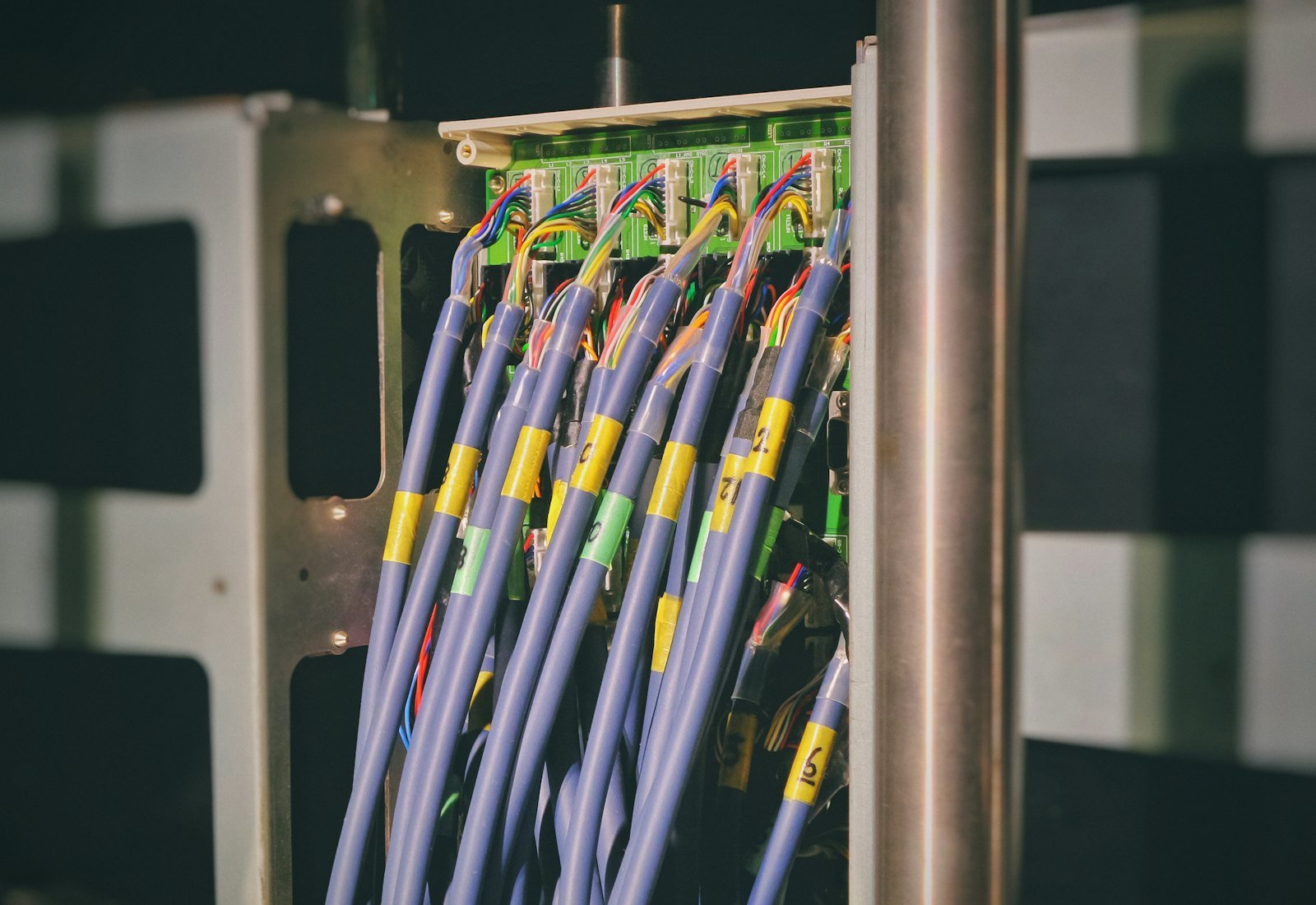
Redundant by design, not by retrofit
Every element in the call path has a peer in a geographically separate facility, and traffic moves between them automatically.
- Geo-redundant SBCs. Session border controllers in diverse US data centres, active-active, with automatic registration failover.
- Diverse carrier interconnects. Multiple upstream paths per destination so a single carrier event never becomes your outage.
- Independent media and signalling planes. Separated so a media incident cannot cascade into call setup.
- Carrier-grade power and cooling. Tier III-class facilities with N+1 power, generator backup and 24/7 physical security.
- Capacity headroom. We provision ahead of demand so burst traffic does not compete with steady-state traffic.
Least cost never beats least quality
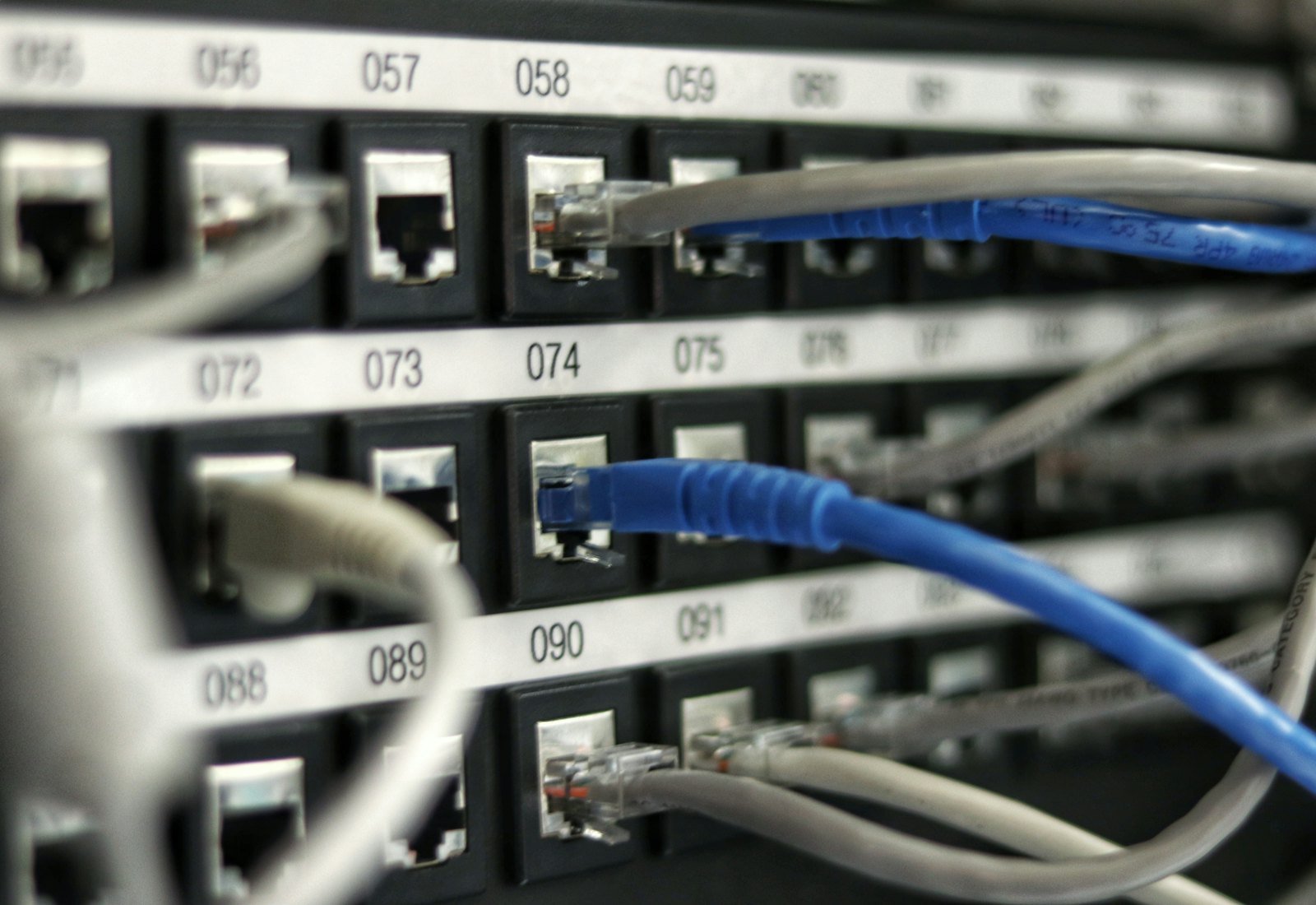
Most wholesale routing engines optimise for margin and check quality afterwards. Ours treats a quality floor as a hard constraint, not a preference.
- Quality-gated LCR. A cheaper route is only selected if it clears the ASR, ACD and MOS thresholds for that destination.
- Automatic route withdrawal. Degrading routes are pulled from rotation automatically and re-tested before returning.
- Low hop count. Direct interconnects mean fewer intermediaries, fewer transcodes and fewer places for a call to fail.
- No refiling. We never re-originate or disguise jurisdiction to lower a cost — it is prohibited on our own network.
- Per-customer route policy. Enterprise accounts can pin destinations to specific quality tiers.
Protecting the call path
Voice networks are attacked constantly — for toll fraud, for revenue share, and for the value of the conversations themselves.
Encryption in transit
TLS for SIP signalling and SRTP for media, available end to end wherever your endpoints support it.
Fraud controls
Velocity limits, concurrency caps, destination blocking and spend thresholds, tuned per account and enforced in real time.
Access control
IP authentication and credential-based registration, least-privilege portal roles and multi-factor authentication for administrators.
Anomaly detection
Continuous baselining of call patterns so a compromised PBX is caught in minutes, not on the invoice.
DDoS and TDoS mitigation
Upstream scrubbing and SIP-aware rate limiting to absorb registration floods and telephony denial-of-service attempts.
Patching and testing
Structured vulnerability management, periodic penetration testing and reviewed change control on the call path.
What our NOC watches, continuously
Per route, per trunk, per campaign — because an average across the whole network hides exactly the problem you care about.
ASR
Answer-seizure ratio, tracked per destination and compared against the route baseline.
ACD
Average call duration — the clearest signal of both quality and traffic legitimacy.
MOS
Mean opinion score derived from jitter, latency and packet loss on live media.
PDD
Post-dial delay, so slow call setup is caught before your agents start complaining.
SDR
Short-duration ratio, the primary indicator of scanning or dialer traffic.
Concurrency
Live channel utilisation against contracted capacity, with burst alerting.
Attestation
STIR/SHAKEN signing mix, watched for drift away from full attestation.
Registration
Endpoint registration health and failover state across both SBC clusters.

A US-based NOC, staffed every hour
Telephony engineers on shift around the clock — not a first-line script that escalates your problem into a different time zone.
- 24/7/365 coverage from United States operations centres.
- A named engineer assigned to each enterprise account, who knows your routing before you describe it.
- Proactive alerting. We frequently open the ticket before you notice the problem.
- Planned maintenance in off-peak windows with advance notice and published rollback plans.
- Post-incident reviews shared with affected customers, including what we changed.
Run a supervised test window
Bring real traffic onto our routes under engineer supervision and compare the quality telemetry against what you get today. No commitment until you have seen your own numbers.